Featured
Table of Contents
I 'd forget to track whether I 'd made the payment cashback. For simpleness, I choose Wells Fargo's single 2%. If you're willing to track quarterly classification modifications and keep in mind to activate earning rates, turning category cards can make you substantially more than flat-rate cardssometimes up to 5% on the categories that matter to you most.
It makes 5% cashback on turning categories that change quarterly (groceries, gas, restaurants, travel, and so on), plus 1.5% on other purchases. There's no annual fee and a solid $200 sign-up reward. The catch: you need to activate the 5% categories each quarter on Chase's site or app, otherwise you default to the 1.5% base rate.
The mathematics here is engaging if you spend greatly on rotating categories. If you spend $5,000 in groceries annually, you make $250 on that classification alone (5% of $5,000) versus $75 with a 1.5% flat rate. Add another 5% category like gas, and you're taking a look at a couple hundred dollars each year just from these two classifications.
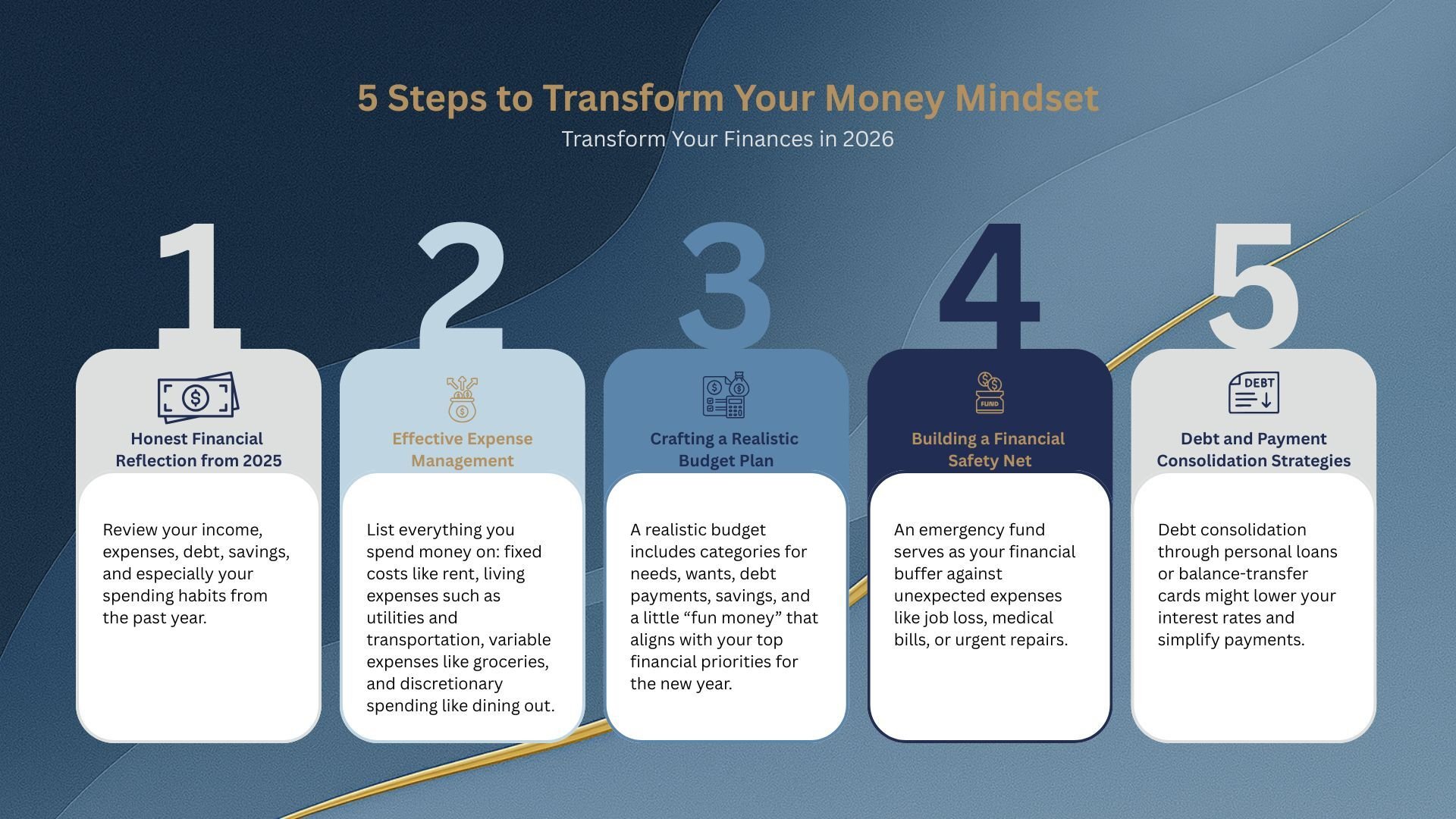
Simple Tactics for Boosting Scores in 2026
If you're forgetful, the flat-rate cards are a safer bet. 5% cashback on turning quarterly classifications (up to $1,500 limit) 1.5% cashback on all other purchases No yearly charge $200 sign-up perk Excellent perk categories (groceries, gas, restaurants) Must activate classifications quarterly (or earn base 1.5%) 5% cap at $1,500 in quarterly costs ($300/quarter) Requires tracking quarterly calendar updates Foreign transaction charge (2.65% for international) I have actually held the Chase Freedom Flex for two years.
When I forget a quarter, I feel the stingmissing out on $50$75. I utilize a calendar suggestion now, set on the very first of each quarter. Discover it is the other significant rotating category card. It uses 5% cashback on turning classifications (topped at $75/quarter), plus 1% on whatever else. The big distinction from Chase Liberty: Discover matches your first-year cashback, dollar for dollar.
This is a powerful incentive for brand-new cardholders. If you're switching from another card, that match is genuine cash in your pocket. After the very first year, you earn basic 5% on turning classifications and 1% on everything else. Discover's classifications are somewhat various from Chase (frequently consisting of Amazon, Walmart, Target, paypal, and home enhancement stores), so the card is excellent if your costs lines up with their quarterly offerings.
5% cashback on rotating classifications (capped $75/quarter) 1% cashback on all other purchases First-year cashback match (doubles all made rewards) No yearly fee, no sign-up perk required (the match IS the reward) Wide acceptance (accepted at more locations than Amex) 5% cap lower than Chase ($75/quarter vs. $1,500 spending) Should trigger quarterly classifications Cashback match only in first year No foreign transaction cost waiver My first Discover it year was incredibleI earned $380 in cashback and got the match, totaling $760 in benefits.
I still use it for particular classifications where I understand I'll top out rapidly (like streaming services), however it's not a main card for me any longer. These cards use raised rates specifically on groceries and sometimes gas or pharmacies.
Reducing Total Payments into One Single Payment
It makes up to 6% back on groceries (at United States supermarkets just, capped at $6,500/ year in spending, then 1%). You likewise get 3% back on gas and transit, and 1% on whatever else. There's a $95 annual fee. This card just makes good sense if you spend enough in the bonus categories to balance out the $95 fee.
Managing High-Interest Loans in Your AreaMinus the $95 annual charge = $295 net cashback. Compare that to Wells Fargo's 2% on the same $6,500 = $130. You're ahead by $165 in year one, which is substantial. The catch: American Express is declined everywhere. It's ending up being more accepted than it used to be, but you'll still experience restaurants and smaller shops that don't take it.

Also important: the 6% rate only uses to purchases at grocery stores coded as grocery stores by Visa/Mastercard. Costco, warehouse clubs, and Amazon do not count, which frustrated me when I found it. 6% cashback on groceries (up to $6,500/ year, then 1%) 3% cashback on gas and transit $95 yearly cost, but often offset by cashback Strong sign-up reward ($250$350 depending on promo) Excellent for families with high grocery spending $95 annual fee (no break-even for low spenders) American Express declined everywhere 6% cap at $6,500/ year ($325 max annual cashback from groceries) Warehouse clubs (Costco, Sam's Club) don't make 6% Amazon purchases make only 1% I have actually had heaven Money Preferred for three years.
How to Design a New Budget Roadmap
Yearly cashback: $390 + $36 = $426, minus the $95 cost = $331 web. This card more than pays for itself, and I'm a big advocate for it.
No yearly charge implies no break-even calculationit's pure value. The 3% rate is half of the Preferred's 6%, so the earning capacity is lower. For families that invest under $3,000 on groceries annually, the Everyday is a better option (no charge to justify). For higher spenders, the Preferred's 6% rate pays for the yearly fee and more.
She makes $45/year from it, which isn't life-changing, but it's pure gravy. She pairs it with Wells Fargo for non-grocery costs, similar to me. Some cards let you choose which categories you desire bonus rates on, adjusting to your costs instead of requiring you into quarterly rotations. These are ideal if you have consistent spending patterns that do not match traditional turning categories.
Boosting The Annual Budget Rate Next Year
You make 2% on one other classification you choose, and 0.1% on everything else. No annual fee. The personalization here is distinct. You're not stuck to Chase's quarterly changesyou choose your categories once and they sit tight up until you alter them. If you spend greatly on gas and want 3% back, set it to gas and leave it.
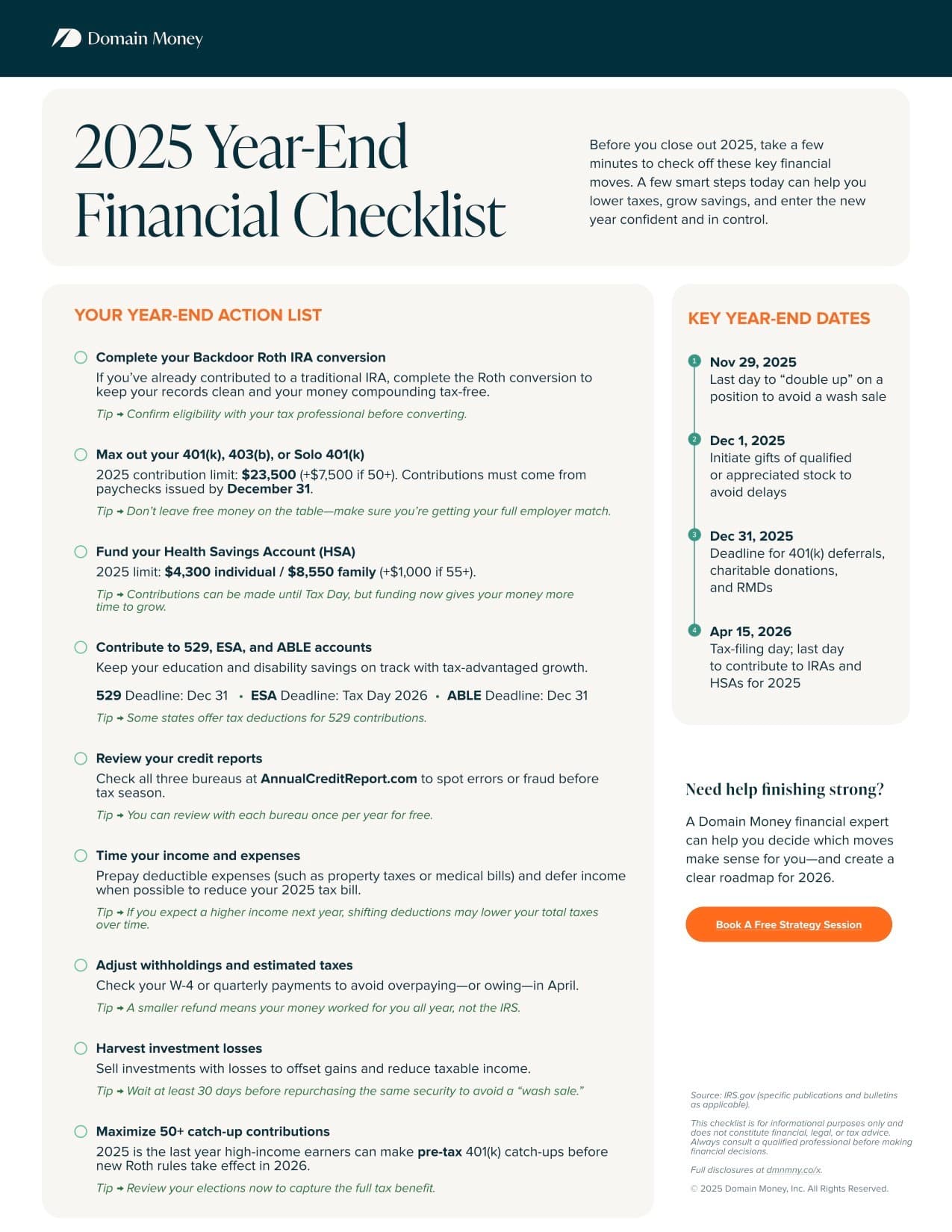
The mathematics is less aggressive than Blue Money Preferred or Chase Freedom Flex, but the simplicity attract individuals who wish to "set it and forget it." If your top 2 costs classifications occur to be amongst their choices, this card works well. If you're a heavy travel spender looking for 5%, you'll be dissatisfied by the 3% cap.
It offers 1.5% cashback on all purchases with no annual fee, plus a perk structure: 3% money back on the very first $20,000 in combined purchases in the very first year (then 1% after). This successfully presses you to about 3% earning if you struck the $20,000 threshold in year one. Waitthat doesn't sound.
After the first year, it drops to 1.5% permanently, which connects with Wells Fargo. This card is outstanding for first-year worth, particularly if you have a prepared big cost like a vehicle repair work or restorations. Long-term, Wells Fargo and Chase Flexibility Unlimited are approximately comparable, so the choice comes down to credit approval and which bank you choose.

Latest Posts
Proven Methods to Save Capital in 2026
Completing Pre-Discharge Debtor Education in 2026
Why to Manage Your Finances Better in 2026?